Bournemouth's recent performances have shown both promise and vulnerability, particularly in their defensive structure. While the attacking flair of players like Philip Billing and Dominic Solanke has drawn attention, the Cherries have struggled with consistency at the back, leading to unnecessary goals conceded. A tactical analysis of their defensive setup suggests several key tweaks that could help bolster their defensive resilience.
Emphasizing Compactness
One of the standout issues in Bournemouth's defensive display has been the spacing between the lines, which has often allowed opponents to exploit gaps with ease. A more compact defensive formation, especially when transitioning from attack to defence, could significantly enhance their solidity. Implementing a slightly deeper line when out of possession can make it more challenging for opposing forwards to find space, forcing them wide or into less threatening areas. This compactness also facilitates quicker support from midfielders, allowing Bournemouth to regain possession more efficiently.
Pressing Triggers
Another area worth addressing is Bournemouth's pressing strategy. Currently, the team appears to engage in pressing without clear triggers, leading to disjointed efforts that can be easily bypassed by opponents. By establishing specific pressing triggers-such as a loose touch from an opponent or a back pass-Bournemouth can become more effective in regaining possession higher up the pitch. This would not only disrupt the opposition's rhythm but would also create immediate goal-scoring opportunities for The Cherries when they win the ball back.
Utilising Full-Backs Effectively
Bournemouth's full-backs, particularly Marcus Tavernier and Adam Smith, have shown attacking prowess, but their defensive responsibilities have sometimes been compromised. Encouraging them to hold their positions more effectively during defensive phases can help maintain width while ensuring that there are no dangerous overlaps from opposing wingers. Additionally, having one of the central midfielders drop back to cover when the full-backs advance can provide an extra layer of protection, preventing counter-attacks from catching the Cherries off-guard.
Foster Communication
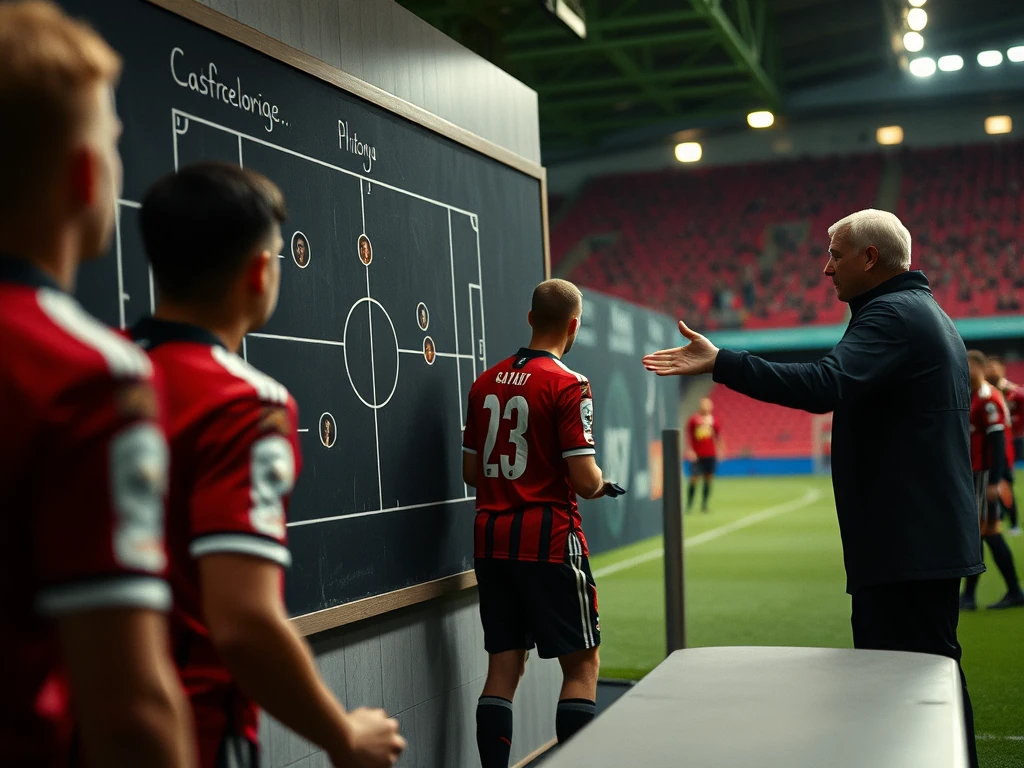
Defensive organization also boils down to effective communication among players. Establishing clear roles and responsibilities within the backline can minimize confusion during high-pressure situations. The introduction of a designated on-field leader-be it a central defender or a more experienced midfielder-could help in organizing the back four and ensuring that everyone is aligned, especially during set pieces or when defending against fast transitions.
Conclusion
In summary, Bournemouth's defensive tactics require a nuanced approach to achieve greater consistency and effectiveness. By focusing on compactness, refining their pressing strategy, use full-backs prudently, and fostering communication, the Cherries can enhance their defensive structure. These tweaks could not only lead to fewer goals conceded but also set the foundation for a more balanced team performance, allowing their attacking talents to shine even brighter.